As the world races to combat climate change, Africa finds itself at the center of global conversations about ecosystem conservation, carbon storage, and sustainable development. The continent is home to some of the planet’s most vital ecosystems — from the Congo Basin rainforests and expansive savannas to mangroves, peatlands, and agricultural landscapes. These ecosystems act as natural carbon sinks, absorbing carbon dioxide (CO₂) from the atmosphere and storing it in vegetation, soils, and wetlands.
To unlock the full potential of these natural climate solutions, ecosystem carbon assessments and inventories are critical. They provide the data needed to measure, monitor, and manage carbon storage, paving the way for effective climate policies, carbon markets, and community-based conservation initiatives.
What Are Ecosystem Carbon Assessments and Inventories?
At their core, ecosystem carbon assessments evaluate how ecosystems capture and store carbon, while inventories provide a systematic accounting of carbon stocks and emissions.
-
Carbon Assessments: Focus on identifying whether an ecosystem acts as a carbon sink (absorbing more CO₂) or a carbon source (releasing more CO₂). They track carbon stocks and carbon fluxes across forests, wetlands, grasslands, and croplands.
-
Carbon Inventories: Provide a structured record of carbon stored in different pools, such as aboveground biomass (trees, shrubs, crops), belowground biomass (roots and soils), dead organic matter (litter and woody debris), and soil organic carbon. These inventories are often carried out at national or regional levels in line with the IPCC (Intergovernmental Panel on Climate Change) guidelines.
Together, assessments and inventories form the backbone of climate reporting, carbon trading, and sustainable land management strategies.
Why Carbon Assessments Matter in Africa
Africa’s ecosystems are globally significant for carbon storage and biodiversity conservation. However, they are also under threat from deforestation, agricultural expansion, infrastructure development, and climate-induced stresses such as droughts and floods.
-
Forests as Carbon Reservoirs
The Congo Basin Forest, often called the “lungs of Africa,” stores around 60 billion metric tons of carbon — equivalent to nearly four years of global fossil fuel emissions. Protecting these forests through accurate carbon assessments helps African countries access REDD+ financing, a global initiative to reduce emissions from deforestation and forest degradation. -
Savannas and Grasslands
Africa’s iconic savannas cover vast areas and store enormous amounts of soil organic carbon. Unlike tropical forests, their carbon is less visible but equally crucial. Assessments help track land-use changes such as overgrazing and agricultural conversion. -
Wetlands and Peatlands
Africa’s peatlands, especially in the Congo Basin, are among the largest in the world and store more than 30 billion metric tons of carbon. If degraded, these ecosystems could become massive carbon emitters. Carbon inventories guide restoration and protection efforts. -
Agricultural Landscapes
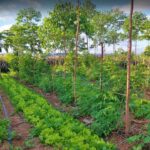
With more than 60% of Africa’s population relying on agriculture, carbon assessments are key to promoting climate-smart agriculture practices that increase soil carbon, enhance food security, and improve resilience.
How Ecosystem Carbon Inventories Are Conducted in Africa
Conducting a carbon inventory requires combining fieldwork, technology, and modeling:
-
Field Measurements
-
Recording tree diameter, height, and species to estimate biomass.
-
Soil sampling to determine organic carbon content.
-
Monitoring litter and deadwood carbon.
-
-
Remote Sensing and GIS
-
Satellites such as Landsat, Sentinel, and MODIS provide large-scale monitoring.
-
LiDAR and drones allow high-resolution mapping of vegetation and canopy cover.
-
-
Modeling and Estimation
-
Tools like CBM-CFS3 (Carbon Budget Model), InVEST, and Century models help predict carbon dynamics.
-
IPCC allometric equations are used to calculate carbon from biomass data.
-
-
Community Involvement
Local communities are increasingly engaged in participatory monitoring, providing ground-truthing data while benefiting from carbon credit projects.
Applications of Carbon Assessments in Africa
-
National Greenhouse Gas Inventories
Many African countries use carbon inventories to meet their reporting obligations under the UNFCCC and track progress toward Nationally Determined Contributions (NDCs). -
Carbon Markets and Finance
Verified carbon credits from reforestation, agroforestry, and wetland restoration projects provide funding for conservation and community development. For instance, Kenya and Tanzania have pioneered carbon offset projects that benefit local farmers and forest communities. -
Policy and Land Management
Inventories guide policies on forest conservation, land restoration (such as the African Union’s Great Green Wall initiative), and sustainable farming. -
Biodiversity and Co-Benefits
Beyond carbon, protecting ecosystems enhances water regulation, soil fertility, and wildlife habitats, which are critical for Africa’s socio-economic well-being.
Challenges Facing Carbon Assessments in Africa
While the benefits are immense, Africa faces several challenges in implementing effective carbon assessments:
-
Data Gaps: Many regions lack reliable, long-term ecological data.
-
Technical Capacity: Limited expertise and resources hinder accurate measurement and reporting.
-
Funding Constraints: Carbon monitoring projects require significant investment.
-
Land-Use Pressures: Rapid population growth and economic development increase pressure on natural carbon sinks.
-
Verification Barriers: Ensuring credibility of carbon credits remains a challenge in some regions.
The Future of Ecosystem Carbon Inventories in Africa
Despite challenges, there is growing momentum in Africa for ecosystem carbon monitoring. Technological advancements such as AI-powered satellite analysis, drones, and digital mapping are making assessments more accurate and cost-effective. International collaborations, such as the Central African Forest Initiative (CAFI) and partnerships with research institutions, are building local capacity.
Most importantly, carbon assessments provide Africa with an opportunity to align climate action with economic growth. By tapping into carbon markets and climate finance, African nations can fund reforestation, wetland restoration, and climate-smart agriculture — while creating jobs and securing livelihoods.
Conclusion
Ecosystem carbon assessments and inventories are not just scientific exercises; they are powerful tools for shaping Africa’s climate future. They reveal the immense value of the continent’s forests, grasslands, wetlands, and farmlands as natural climate solutions.
For Africa, investing in robust carbon inventories means:
-
Better access to global carbon finance.
-
Stronger climate policies and international credibility.
-
Enhanced protection of biodiversity and ecosystems.
-
Sustainable livelihoods for millions of people.
As climate change intensifies, Africa’s ecosystems remain one of the world’s greatest allies in the fight against global warming. Harnessing their power through systematic carbon assessments and inventories will ensure that the continent not only contributes to global climate action but also secures a resilient and prosperous future for its people.