What is Water Resources Development?
Water resources development refers to the planning, management, and utilization of water resources to meet diverse human and ecological needs. It includes the development of infrastructure (such as dams, boreholes, and irrigation systems), policy frameworks, and technologies that ensure reliable, safe, and equitable access to water.
For Kenya, effective water development means addressing three key objectives:
-
Enhancing water security for households, agriculture, and industries.
-
Ensuring sustainability by balancing water use with conservation.
-
Promoting resilience against climate shocks like droughts and floods.
Water Resources in Kenya: Current Status
Kenya is classified as a water-scarce country. According to the Ministry of Water, Kenya’s per capita renewable freshwater availability is about 647 cubic meters per year, well below the global threshold of 1,000 cubic meters. This scarcity is unevenly distributed:
-
Highland regions (Mount Kenya, Aberdares, Mau Complex) provide most of the country’s rivers and groundwater recharge.
-
Arid and semi-arid lands (ASALs), which cover about 80% of the country, face acute shortages with unreliable rainfall and frequent droughts.
-
Urban centers like Nairobi, Mombasa, and Kisumu are struggling to meet the rising water demand from population growth and industrial expansion.
Despite these challenges, Kenya has significant potential in groundwater, rainwater harvesting, transboundary rivers (like the Nile and Mara), and non-conventional sources such as desalination. Unlocking this potential requires effective planning and management.
Challenges in Water Resources Development in Kenya
-
Climate Change and Variability
Increased droughts and unpredictable rainfall patterns strain water supplies and lead to crop failure, food insecurity, and conflicts over resources. -
Population Growth and Urbanization
Kenya’s population, now above 55 million, is growing rapidly, placing heavy demands on water for domestic, agricultural, and industrial use. -
Inefficient Use and Management
Water wastage in agriculture (especially flood irrigation) and poor maintenance of water infrastructure reduce overall efficiency. -
Pollution and Degradation
Industrial effluent, agricultural runoff, and solid waste contaminate rivers and lakes such as Lake Victoria and Nairobi River, reducing water quality. -
Institutional and Policy Gaps
Although Kenya has progressive policies like the Water Act 2016, weak enforcement, fragmented management, and insufficient funding hinder effective implementation.
Strategies for Effective Water Resources Development in Kenya
1. Expansion of Irrigation and Smart Agriculture
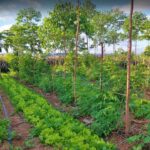
Agriculture accounts for nearly 70% of Kenya’s water use, yet only about 3% of arable land is irrigated. Expanding irrigation systems, especially drip irrigation and sprinkler systems, can boost food production while conserving water.
-
Drip irrigation delivers water directly to roots, reducing wastage.
-
Greenhouse farming ensures efficient use of both land and water.
-
Agroforestry helps conserve soil moisture and reduces runoff.
2. Rainwater Harvesting and Storage
Kenya receives seasonal rains, much of which goes uncollected. Promoting rainwater harvesting at household, community, and institutional levels can provide reliable water for domestic and agricultural use. Technologies include:
-
Rooftop catchment systems with storage tanks.
-
Small reservoirs and water pans for livestock and irrigation.
-
Check dams and sand dams in arid areas.
3. Groundwater Development and Management
Groundwater is a lifeline for ASAL regions such as Turkana, Garissa, and Kitui. Effective strategies include:
-
Mapping and monitoring aquifers to prevent over-extraction.
-
Using solar-powered boreholes for sustainable pumping.
-
Strengthening community management of rural water schemes.
4. Large-Scale Infrastructure Development
Kenya has invested in major water projects such as:
-
Thwake Dam (Machakos) for irrigation, water supply, and hydropower.
-
Northern Collector Tunnel to supply Nairobi.
-
Mwache Dam in Kwale for coastal water security.
Such projects improve reliability but must be complemented with local, community-based solutions.
5. Water Governance and Policy Strengthening
Effective governance ensures equity and sustainability. Kenya must:
-
Strengthen institutions like the Water Resources Authority (WRA) for enforcement.
-
Implement integrated water resources management (IWRM).
-
Promote community participation in decision-making.
6. Water Conservation and Recycling
Non-conventional water sources are gaining importance:
-
Wastewater recycling for industrial and agricultural use.
-
Desalination projects in coastal regions like Mombasa.
-
Water-saving technologies in households, such as low-flush toilets and efficient taps.
7. Climate Change Adaptation
Kenya needs to build resilience by:
-
Restoring degraded catchments (Mau Forest, Aberdares, Cherangany).
-
Implementing early warning systems for floods and droughts.
-
Promoting nature-based solutions like wetland conservation.
The Role of Stakeholders in Water Resources Development
-
Government: Develops policies, builds infrastructure, and regulates usage.
-
Private Sector: Invests in technologies like drip irrigation, desalination, and water-efficient industries.
-
NGOs and Community-Based Organizations: Support grassroots initiatives, awareness campaigns, and local water projects.
-
Farmers and Households: Adopt conservation practices and technologies for efficient water use.
-
International Partners: Provide funding, expertise, and technology transfer for large-scale projects.
Success Stories in Kenya
-
Sand Dams in Kitui and Machakos
Community-driven sand dams have provided year-round water for domestic use, farming, and livestock in semi-arid regions. -
Solar-Powered Boreholes in Turkana
NGOs and government partnerships have reduced reliance on expensive diesel pumps, improving water access for pastoral communities. -
Water Pan Projects in ASALs
Small reservoirs have supported irrigation and livestock farming, boosting food security.
Future of Water Resources Development in Kenya
The future lies in embracing innovation, inclusivity, and sustainability. With initiatives like the Kenya Vision 2030 and the government’s Big Four Agenda (food security being central), water resources development will remain a key priority. Investments in renewable energy-powered water systems, digital water monitoring, and regional cooperation on shared water resources will be critical.
Conclusion
Water is central to Kenya’s development, touching every aspect of life — from agriculture and health to energy and industry. Effective water resources development requires a multi-pronged approach: expanding irrigation, harnessing rainwater, developing groundwater, building infrastructure, strengthening governance, and adapting to climate change.
For Kenya, the journey toward sustainable water management is not just about meeting present needs but also securing the future. By valuing water as a precious resource and investing wisely, Kenya can transform water scarcity into an opportunity for resilience, prosperity, and sustainable growth.